
PyCon Lithuania 2026 Wrap
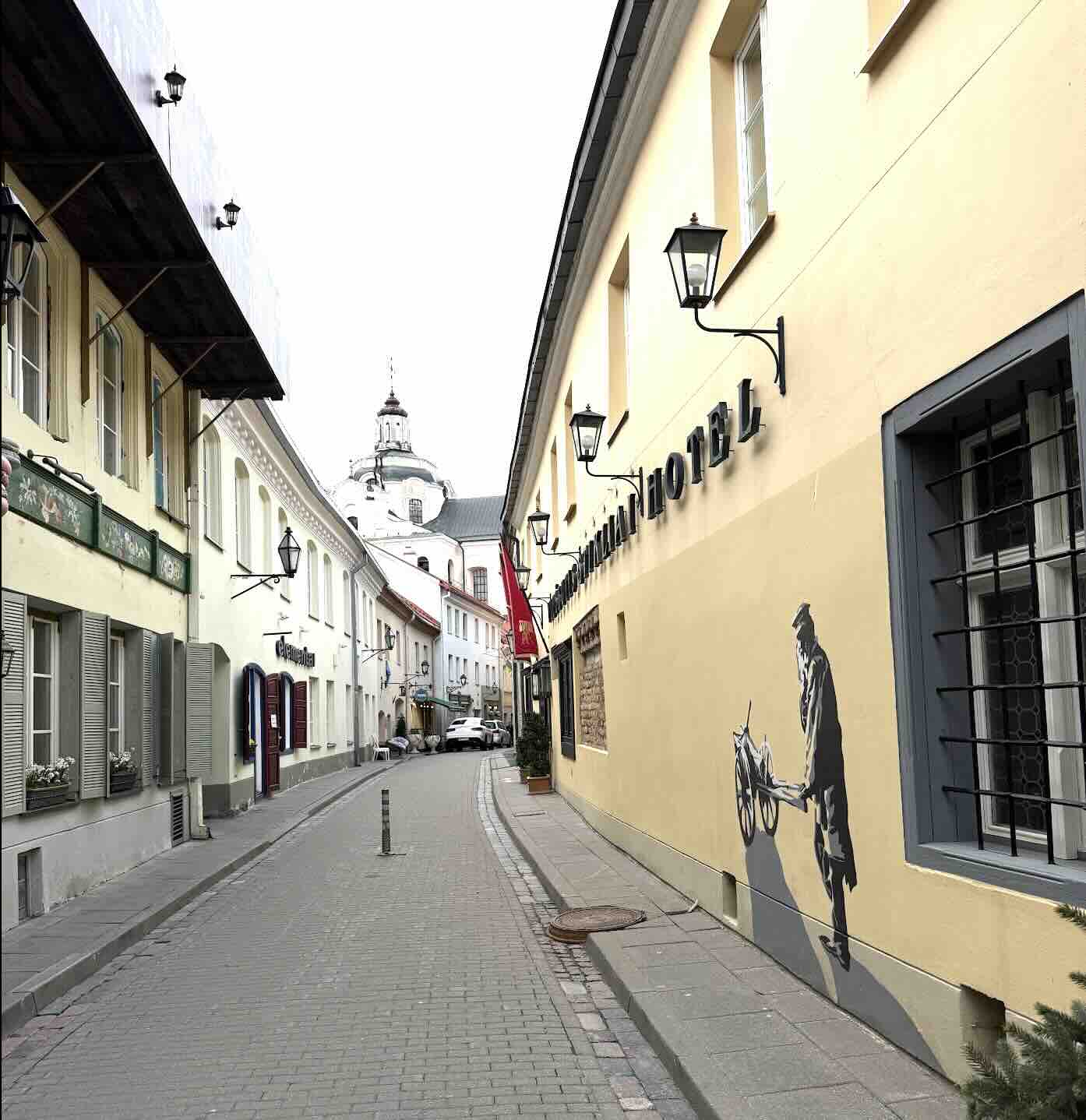
Back to work and I'm suffering a massive come down after a great 3 days at PyCon Lithuania. While my memories are fresh, I was keen to get my reflections down in blog form. This was my first trip to the Vilnius, Lithuania and the Baltics as a region and it was such an amazing experience. The people were great, prices reasonable and the weather cold but clear. The conference itself was exceptionally well-run and really catered for speakers and attendees visiting from other countries. Long story short, it was an amazing conference in a very cool city.

I'm a fan of lists, so here in no particular order are my top takeaways from the conference and what I'm still thinking about:
Agentic Projects Are Here
Agentic Projects are moving from PoC to Production in many businesses. Companies are deploying agents to automate processes and unsurprisingly these builder teams are a mix of engineers and non-technical folks. Now it seems like it's not just engineers talking about Claude Code but users from different departments too.
This feels like the future, where core (business critical) engineering services and infrastructure will still be owned by engineers, but anyone interested (or perhaps compelled) will also be able to build their own software. Engineers have a role to enable their colleagues to build safely. This new era of Agentic projects means there's even greater need for engineers to facilitate their colleagues buildings safely and securely by building harnesses and guardrails around Agents. When projects move from PoC to Production phase, they must do so with safety, future maintenance, costs and observability considerations in baked in. In short, all the other non-functional considerations we take into account when designing an engineering product or system
Combine Agents With Guardrails For Best Results
Agents are simply LLMs with the ability to use tools, as the underlying technology is a probabilistic model (the same input doesn't always give you the same output) usage of these Agents in real world settings need to account for this. Actions that aren't always desirable are a reality, and the most successful projects deal with this through the provision of wrappers around LLMs which drive better (more reliable and consistent) outcomes and deal with failures more elegantly. Effective techniques include Prompt Validation, LLM as a Judge and Classifiers. The aim is to blend the best of both worlds - combining the power of these models with the rigour of software engineering.
Lock Those Coding Agents Down - For Real
We should all be significantly more concerned than we are about the security and privacy implications of running coding agents on our local computers. There are two aspects of particular concern (1) the amount of information being sent back to these providers through the coding agents; and (2) how easy it is for the agent to break out of the "sandbox" of your local project folder. The damage these agents can cause your computer is significant and even using strict allow/deny lists for dangerous operations aren't sufficient to protect you.
I started off being very cautious about the amount of access I give these agents but as I got more and more comfortable with using them in my daily work, I've granted them more and more control. From here on in, I'll be running these agents in isolated environments and perhaps even in the cloud so I can limit the amount of damage they can cause. Key ways to isolate agents are through containers, Virtual Machines or a completely remote servers and computers.
We Should All Build Our Own Coding Agent
As engineers we should seek to understand the underlying technology that drives these agents. Building one isn't hard and it will give greater insight into how you could customise an agent to make it work for you. Claude Code for example eats up a significant amount of tokens by including tooling and MCP information in prompts. Us engineers can and should build our own Agents from scratch. For engineers this knowledge will be key for future jobs roles and knowing how this technology works under the hood is a must-do.
Additional Fun
Apart from all the great learning I also had a great time connecting with engineers and data folks from around the world. There was definitely a big local contingent, but there were also attendees from Portugal, Spain, Turkey, the UK, Poland, Germany, India and even from Australia. This was truly an international conference and one that was super welcoming.
On the speaking side, there were many great opportunities for speakers to connect with each other as the organisers set up a Welcome Reception, Speakers' Dinner and Walking Tours on every day. They were always on hand to answer any questions via the conference Discord.
If you are thinking about attending next year I can highly recommend the conference and the city. Just remember to pack your winter jackets!
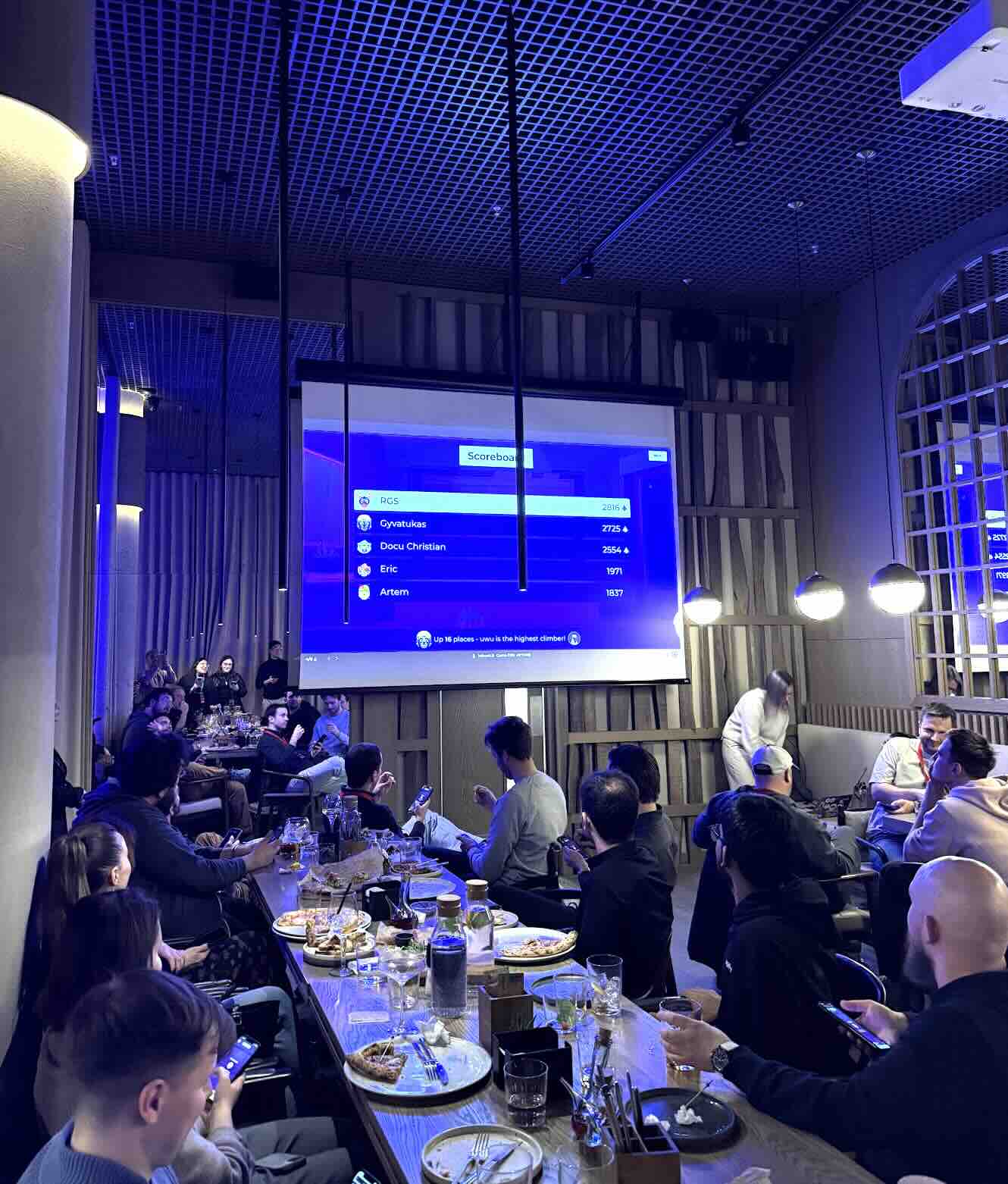 For a fleeting moment
I was top of the leader board, but fell pretty quickly.
For a fleeting moment
I was top of the leader board, but fell pretty quickly.